Why a cost-per-second quote is misleading
An advertising film has to persuade an audience, preserve the product, respect brand rules and survive a real approval process. The price of generating a few attractive video clips is therefore not the price of delivering a commercial. In Vietnam, a more useful conversation starts with the intended campaign outcome: who needs to see the film, which channel will carry it, what message must be remembered and which elements cannot be wrong. A short social cutdown with an abstract visual world differs significantly from a commercial that needs realistic product handling, consistent actors, localized dialogue or multiple packshot approvals. If suppliers quote only a price per second, ask exactly what is included.
What actually changes the budget
Start by listing the work stages instead of asking for one headline number. Common stages are creative concept, script, references and storyboard; visual or character development; moving-image tests; scene production; continuity checks; editing, sound, color and compositing; client review rounds; format variations and delivery. Each one consumes specialist time, even when AI reduces certain physical-production requirements. More complex briefs may also need footage rights review, product photography references, voice recording, legal checks or licensed music. A quote that omits these items might look less expensive but turn into a costly series of revisions.
Product accuracy is a production task
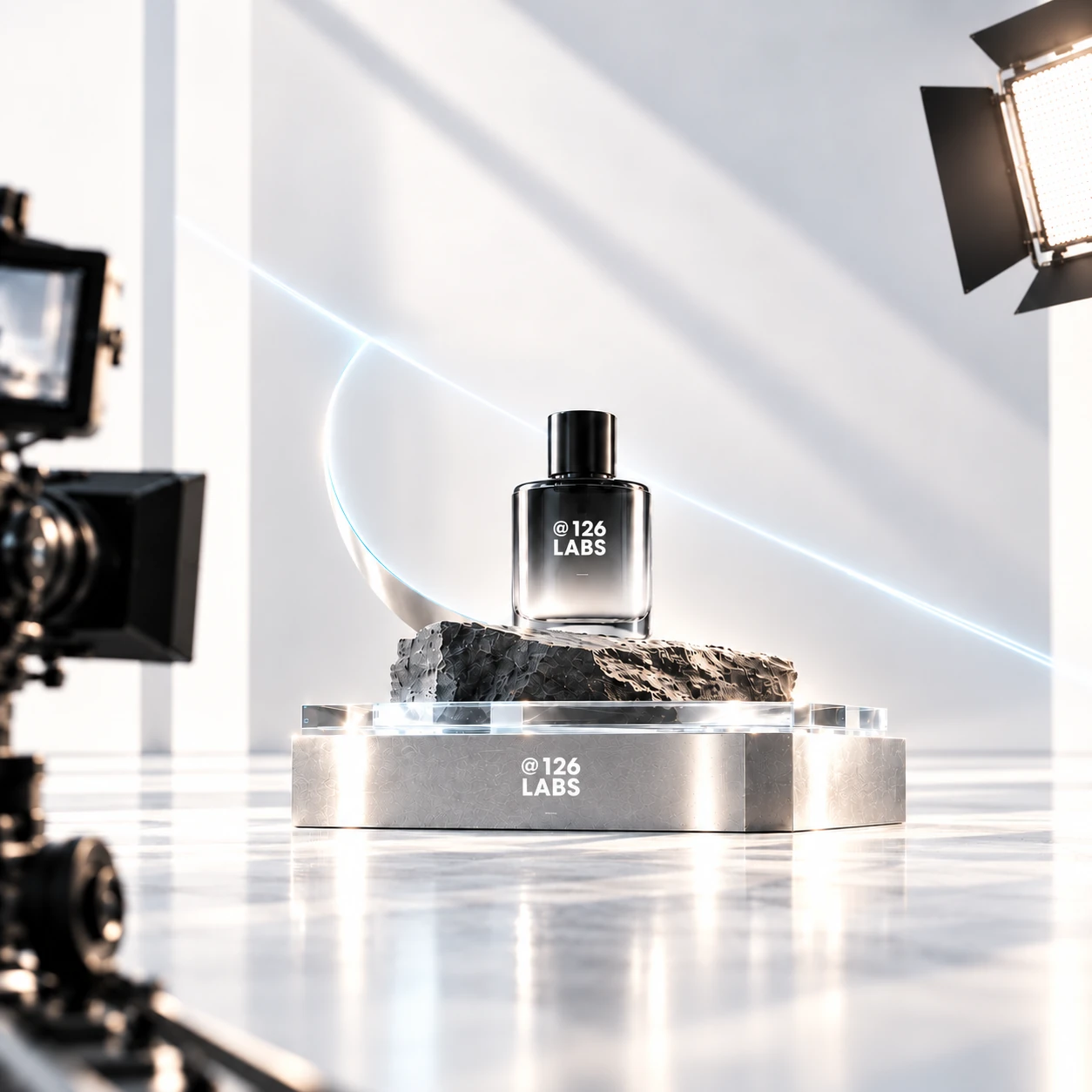
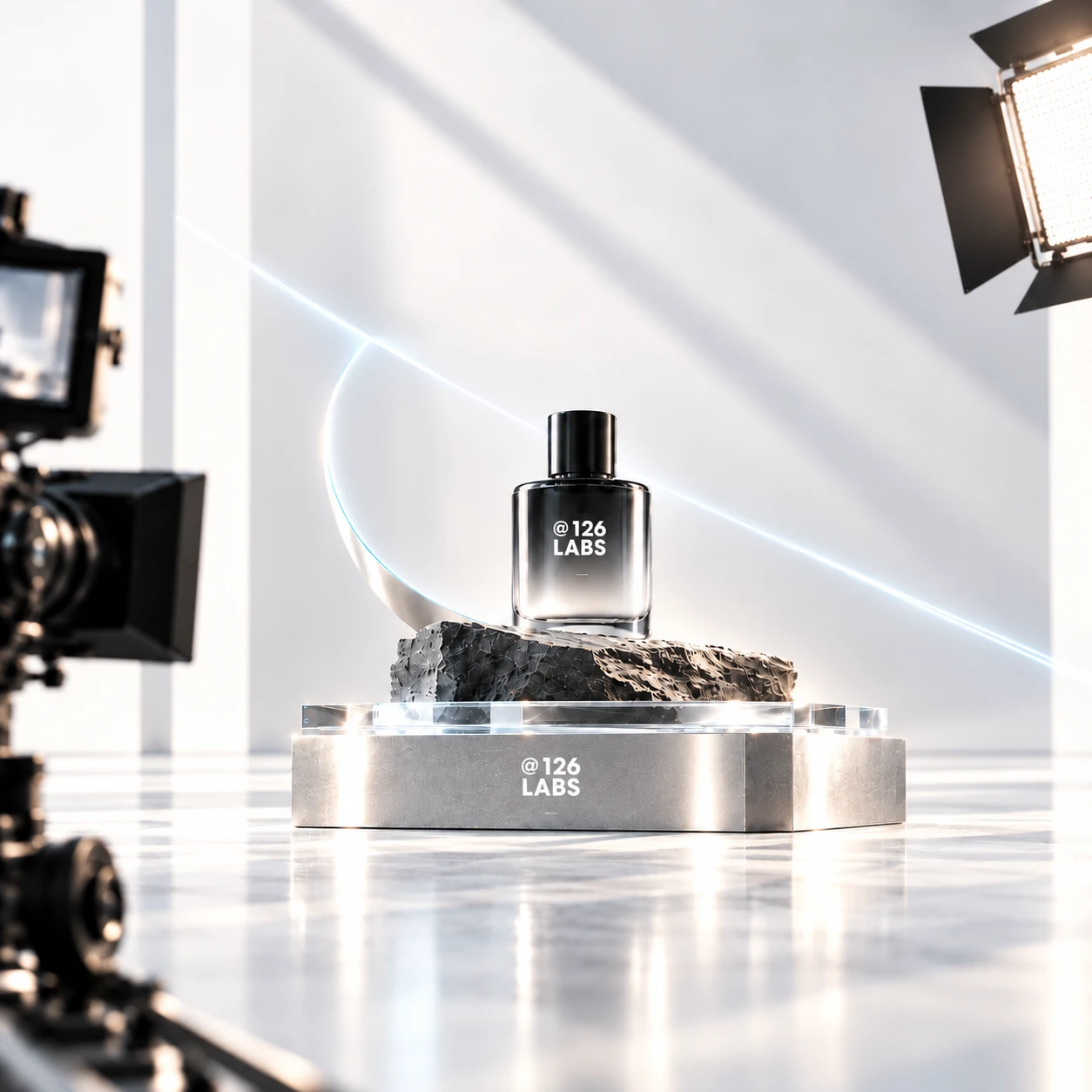
Product truth is a particular concern for commercial advertising. A luxury bottle, food pack or healthcare product may require exact logos, lettering, color, seal position, claims and physical proportions. Generative footage can introduce tiny distortions that are unacceptable when the consumer expects an accurate product. Brands should provide verified packshots, packaging dielines or photographic reference where possible. The production team should plan product-safe shots and manually inspect important frames rather than assume an AI output is reliable. This is especially relevant when the campaign includes health or performance claims, pricing, and regulated marketing messages.

A useful budget briefing framework
A good request for proposal describes the objective, audience, running time, master formats, distribution channels, languages, expected launch date and the number of required adaptations. Include brand guidelines and reference films, but distinguish a mood reference from a required technique. Identify whether talent likeness, branded assets, product packaging, music or stock footage have licensing conditions. Agree the review process, named decision makers and expected number of revision rounds. When comparing bids, require each vendor to specify what the price excludes and the exact deliverable list, not just promise that AI will make production fast.
Comparing AI, live action and hybrid models
AI production, conventional filmmaking and hybrid production are tools, not ideological choices. Generative workflows can be powerful for surreal environments, previsualization, abstract sequences and exploring several creative directions before committing to a scene. Physical filming can be more appropriate for complex human performance, verifiable demonstrations or product-specific handling. A hybrid route can use real product photography or performance footage with AI-created environments or extensions. The economically best approach is the one that meets quality, rights and approval requirements at a manageable total cost — not automatically the workflow with the fewest people on set.
What to request from a production partner
Ask a prospective production studio to show relevant creative reasoning, not only a showreel. Useful evidence includes an approved storyboard, examples of continuity checks, approaches to packshot fidelity and a plan for finishing and delivery. Clarify who owns the source assets and final outputs, what rights are licensed, whether AI generation is disclosed where required and who approves final factual claims. @126 LABS approaches advertising production with human-led creative direction and a reviewed workflow. For an estimate, send a focused brief through the Commercial / TVC service page and include the main unknowns. The right first step is often a small look-development test, not a promise of unlimited finished films.

EDITORIAL PRINCIPLETechnology should reduce friction. Human judgement still decides what is useful, credible and worth shipping.