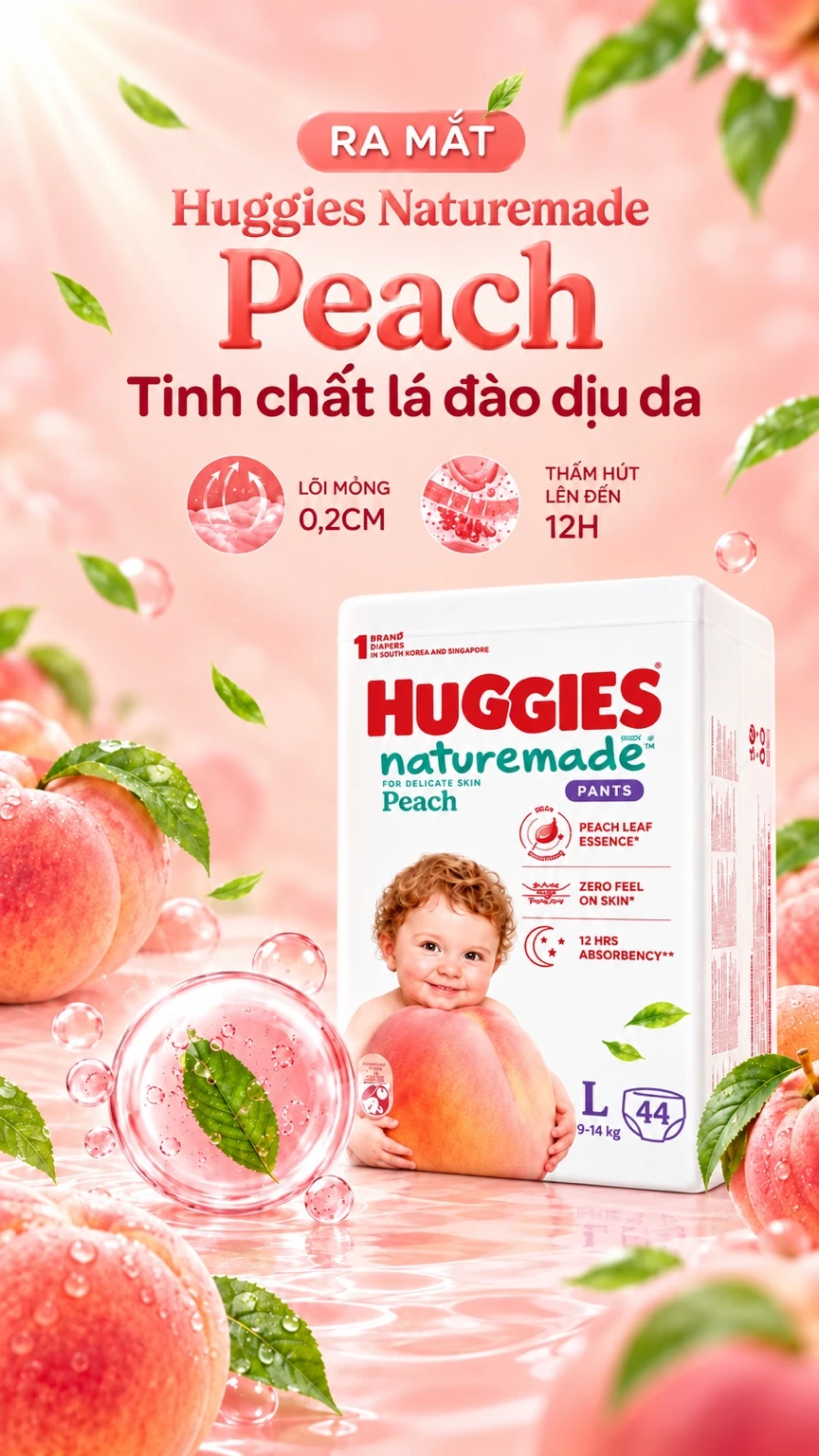
Create a product source of truth
E-commerce imagery has a different job from conceptual campaign art. A customer may use an image to judge size, material, color, packaging or a functional detail, so product accuracy has to be treated as a source-of-truth problem rather than a style preference.

Separate hero imagery from SKU imagery
A useful workflow begins with controlled reference assets: photography, pack shots, CAD, 3D or carefully approved product renders. Hero campaign imagery can be more expressive, while listing images and detail views should stay closer to the real object.
Control surfaces and scale
Material behavior is especially important. Glass, metal, fabric, liquid, skin-contact products and reflective packaging all create visual cues that influence credibility. AI-generated environments are valuable only if the product still behaves like the thing a customer will receive.

Use variation around a stable product
Once the product is stable, variation becomes powerful. The same approved source can travel into seasonal scenes, local-market environments, promotional crops, social content and concept testing without rebuilding the product every time.
Review at commerce resolution
Review should happen at the resolution and context where the asset will be used. A visual that looks convincing in a moodboard can fail when a customer zooms into a product page. Commerce production rewards accuracy before volume.
EDITORIAL PRINCIPLETechnology should reduce friction. Human judgement still decides what is useful, credible and worth shipping.