Ask what happens before generation
Searching for an AI creative production studio is easy; deciding who can deliver a reliable campaign is harder. Many portfolios contain visually impressive experiments, but a client needs evidence of another capability: turning a real brief into approved communication assets. Start by asking how the studio understands audience, brand strategy, the commercial objective and channel requirements. A strong partner should be able to explain why a particular image, shot or interaction solves the problem. The choice of model comes later. Creative judgement, project management and accountability remain critical even when the visual exploration is fast.
Look for repeatable direction
Look for a process that can repeat a chosen direction. Ask how the studio handles brand colors, product appearance, character continuity, lighting language, typography and multiple formats. A useful portfolio distinguishes the early concept, the approved visual system and the final delivered asset. Can the same world survive three different scenes and a website hero? Can the team explain what it would do if a client rejects a proposed approach? A production studio should bring more than aesthetic taste; it should have a method for reviewing and correcting output.
Test delivery, not just aesthetics
Do not evaluate only polished hero images. Request examples of a storyboard, a before-and-after refinement, an adaptation across aspect ratios or a production checklist. For film work, examine temporal continuity, editing and emotional direction. For websites, test navigation, responsive behavior, accessibility and load experience. For AI systems, ask what happens when the model is uncertain or the data is missing. These practical examples reveal the difference between a good prototype and something that can be released into commercial use.
Evaluate rights and product fidelity
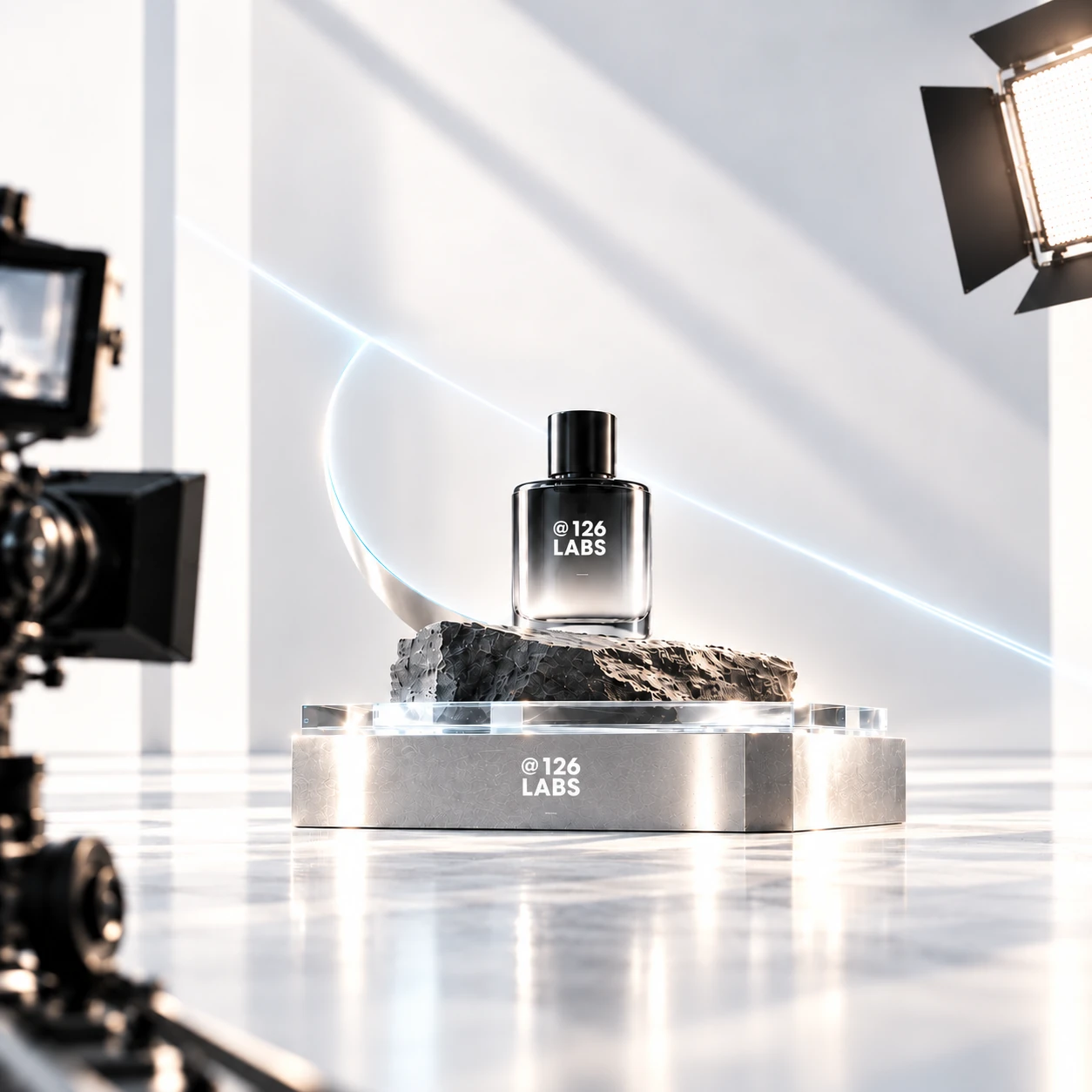
Rights, claims and disclosures also matter. If the production uses existing brand references, voice likenesses, licensed music or recognizable people, ask who checks permissions and what the final usage terms include. For packaging or beauty imagery, clarify which details must be exact. A trustworthy proposal should acknowledge limits instead of promising that every visual is automatically accurate. Independent concept work can demonstrate craft, but it should be labeled as such and must not be presented as an endorsed client campaign without evidence.
See whether services work together
An integrated studio can be useful when one idea needs multiple executions. A campaign might begin in creative direction, move into AI image or video production and end with a website experience or an automated content workflow. Ask whether the proposed team can coordinate those outputs under a common visual and technical system. This does not mean every project needs every capability. It means a single brief can evolve without losing the strategic thread or requiring repeated onboarding across disconnected suppliers.
Use a small real brief as a test
Before awarding a large scope, consider a focused paid discovery or test assignment. Use a genuine product reference, realistic deadline and a small set of measurable acceptance criteria. Judge the clarity of communication, problem solving, documented decisions and quality of final review. @126 LABS approaches AI production with human creative direction and practical production controls, and our case studies distinguish original studio research from client work. The best vendor decision comes from a small, honest demonstration of how the team thinks and ships.

EDITORIAL PRINCIPLETechnology should reduce friction. Human judgement still decides what is useful, credible and worth shipping.