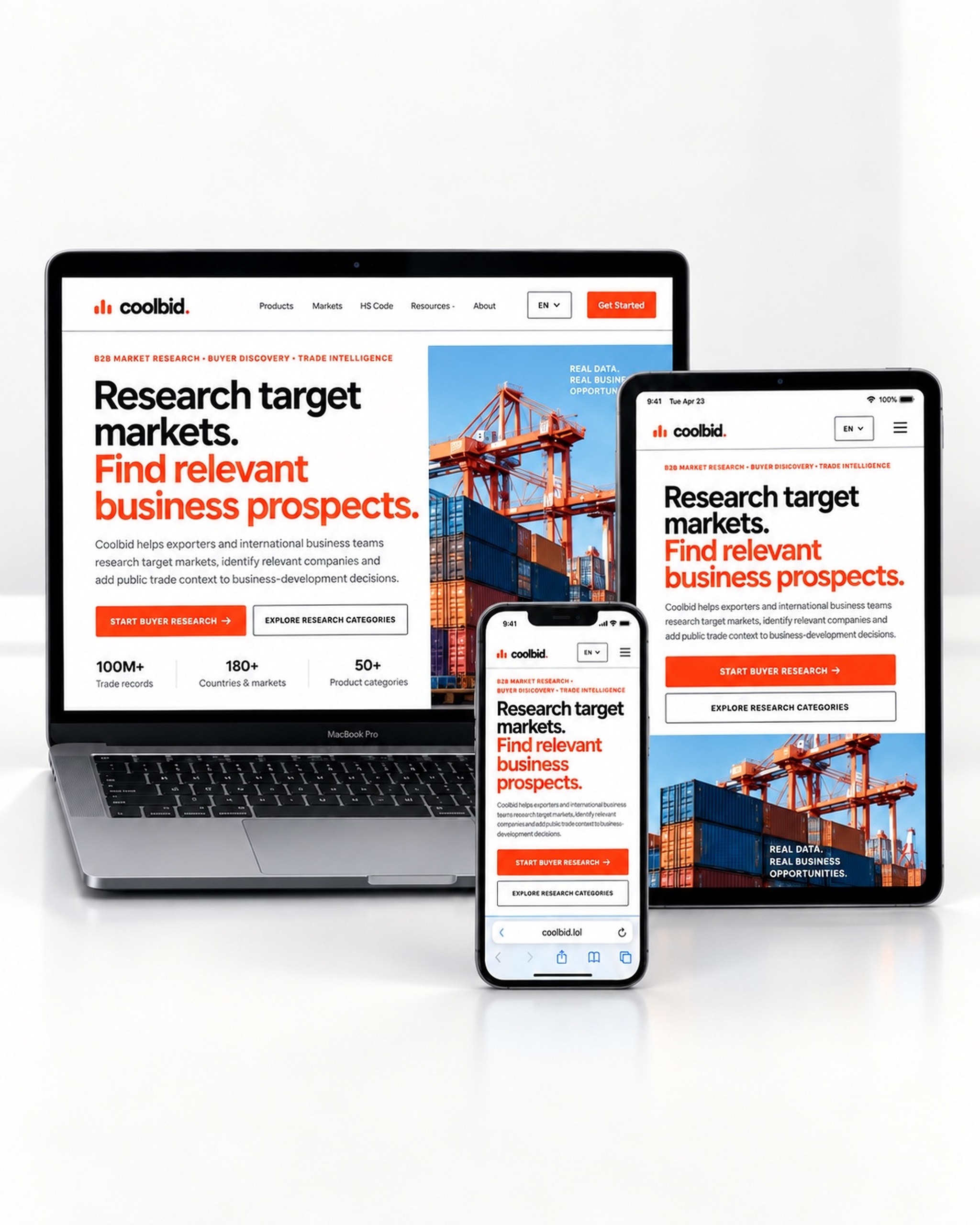
Define the conversion path first
An AI website should still answer the basic conversion questions quickly: what is this, who is it for, why should I trust it and what should I do next? Intelligence is valuable when it supports that journey, not when it becomes a layer visitors must learn before they can use the site.
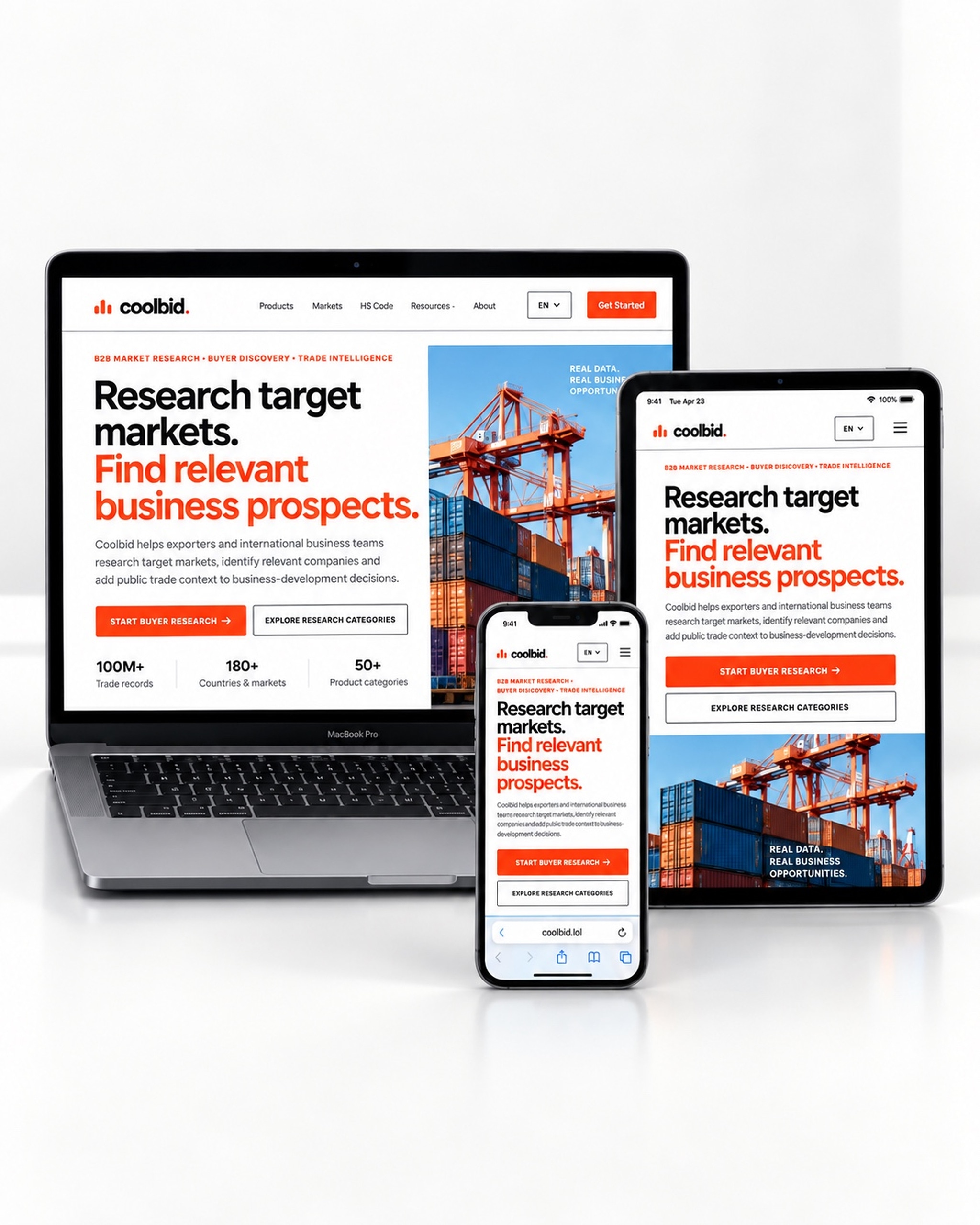
Use intelligence at high-friction moments
The best opportunities are usually high-friction moments. A complex product catalogue can benefit from guided search. A service business can structure a vague project brief. A B2B platform can summarize research or recommend a next step. These interactions should shorten the route to value.
Keep navigation understandable
Navigation should remain legible even when a conversational interface is available. Users may prefer menus, filters and direct pages for predictable tasks. AI should add a flexible path, not remove the dependable one.

Design fallbacks and handoff
Fallback and handoff states are part of conversion design. When the system lacks confidence or a request needs a person, the interface should make the next action obvious. Good AI UX knows when to stop automating.
Measure the assisted journey
Measure the complete assisted journey: whether users find the right page faster, submit better briefs, reach relevant products, complete forms or return because the experience saved time. A website is successful when the intelligence supports the business outcome.
EDITORIAL PRINCIPLETechnology should reduce friction. Human judgement still decides what is useful, credible and worth shipping.